Mobile Music Milestone: Original iPod Marks 25-Year Anniversary
The portable media player that redefined personal audio is commemorating a quarter-century since its initial public reveal.
By Ken Adams ·
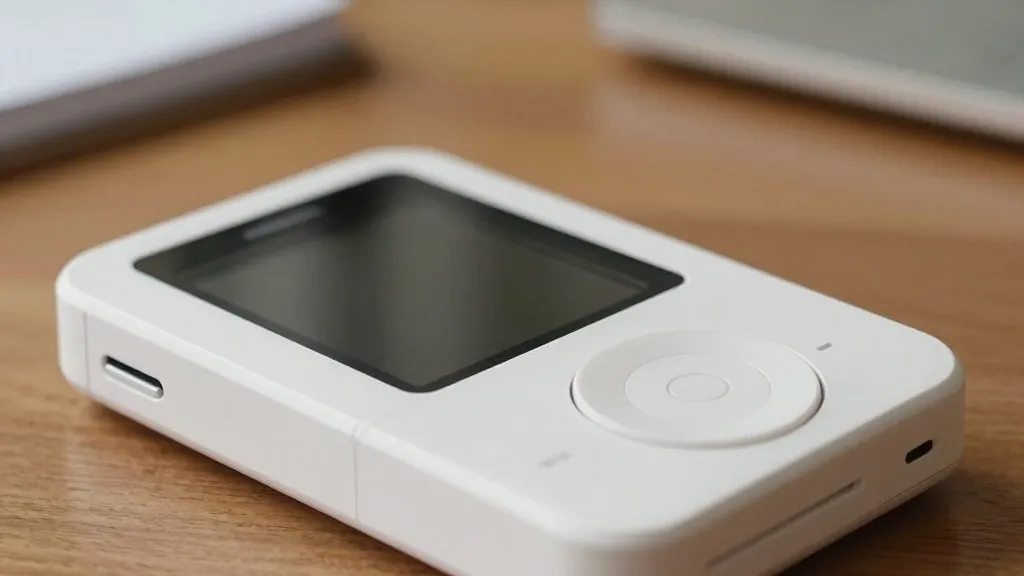
The original Apple iPod celebrates its 25th anniversary today, marking a pivotal moment in consumer electronics history. On October 23, 2001, Apple CEO Steve Jobs introduced the device in a presentation that began with a tease for a breakthrough digital product that was not a Mac. The resulting gadget became a cultural phenomenon, establishing itself as a preferred carry-along device for enthusiasts long before smartphones matured to render such dedicated hardware obsolete. The launch price was set at $399, a figure that positioned the player as a premium yet accessible entry into portable high-fidelity audio.
The introduction occurred during a period of significant corporate recovery for Apple. By late 2001, Jobs had successfully guided the company past the beige era of its past, with the Mac OS X line, iBooks, and iMacs gaining strong consumer traction. This resurgence was particularly notable given the economic climate following the dot-com bubble burst. Jobs envisioned a future where the Mac served as the central hub for a user’s digital lifestyle, connecting cameras, camcorders, DVD players, and portable music devices. He identified music as a massive target market lacking a definitive leader, despite the presence of established competitors such as Sony, Creative, and Sonic Blue.
At the time of the announcement, the market offered four primary solutions for portable digital music: CD players, MP3 CD players, flash-based players, and hard disk-based jukebox players. Jobs determined that the hard disk approach was the optimal entry point. The resulting device offered CD-quality sound and supported the prevailing formats of MP3, WAV, and AIFF. Its 5GB storage capacity was designed to hold 1,000 songs, specifically defined as typical pop-length tracks encoded at 160Kbps. Jobs asserted that for the average user, this capacity represented their entire music collection.
The device’s physical design was a critical selling point, facilitated by a 1.8-inch hard drive from Toshiba that was only 0.2 inches thick. The final product measured 2.4 by 4 by 0.78 inches and weighed 6.5 ounces, making it lighter than most contemporary cell phones. Despite its compact footprint, the iPod included advanced features such as 20-minute skip protection and rapid file transfers. It utilized a single FireWire 400 cable for both power and data, a connection that allowed a full CD’s worth of data to transfer in five to 10 seconds, a significant speed advantage over the USB connections of the era.
The player was powered by a rechargeable lithium-polymer battery providing 10 hours of continuous playback, with a charge to 80 percent achievable in one hour. The interface emphasized usability, featuring a piezoelectric clicker on the scroll wheel for tactile feedback, enabling users to navigate playlists, artists, or specific songs with one hand. The on-stage demonstration featured the track 'Building a Mystery' by Sarah MacLachlan. Additionally, the device launched alongside iTunes 2, which introduced MP3 CD burning and Auto-Sync features that kept the portable player aligned with the user’s curated library on their Mac.
Although the first iPhone arrived over five years later in early 2007, the iPod and iPhone coexisted in Apple’s product lineup for more than a decade. The iPod’s prominence gradually declined as smartphone capabilities expanded, with the final model, the 7th-generation iPod Touch, released in May 2019. While the product line was left without updates for several years, it was officially discontinued in May 2022, concluding a run that fundamentally altered how consumers carried and consumed music.
The anniversary highlights the device's enduring impact on the tech industry. By integrating compact storage, efficient transfer speeds, and seamless software integration, the original iPod set a standard for portable media that influenced subsequent generations of digital hardware.
Source: Tom's Hardware