Warhound Seeks to End U.S. Reliance on Imported Military Dogs with $200M Raise
A new venture backed by Colossal Biosciences and Anduril aims to genetically engineer superior working dogs for the defense sector, addressing a critical shortage of domestic stock.
By Kateryna Melnyk ·
For the first time, the U.S. military and law enforcement agencies may soon rely on a new class of domestically engineered working dogs to handle high-risk tasks. This shift moves away from a heavy dependence on imported animals, a supply chain that has become increasingly fragile. The new venture, Warhound, officially exited stealth mode on Thursday with a $200 million funding round that values the company at $1.2 billion. Investors in the round include Sequoia, 8VC, Corner Ventures, and In-Q-Tel, a firm with ties to U.S. intelligence agencies. The primary goal is to create canines specifically designed for bomb detection, search operations, and other specialized duties where human risk is high or machine performance falls short.
The impetus for this project stems from a critical gap in the current supply chain. According to the company’s launch materials, more than 80% of the U.S. military’s working dogs are sourced from Europe, and fewer than half of those imports are deemed fit for service. This reliance on foreign nations for a vital asset has prompted Ben Lamm of Colossal Biosciences to partner with Anduril’s Palmer Luckey. The two met approximately a year ago at a conference, where they discussed the need for better support for military dogs. Lamm subsequently investigated breeding practices and discovered that many dogs fail training due to inherited issues such as poor eyesight, cancer predispositions, hip dysplasia, and muscle atrophy.
To address these biological limitations, Warhound is leveraging cell lines from top-performing breeds, specifically the Belgian Malinois and the German Shepherd. These cells have been placed in a biobank, where the team will edit genes to enhance characteristics like speed, agility, and olfactory sensitivity while removing those associated with health problems. The aim is to produce a new type of dog optimized for demanding missions. While Colossal Biosciences holds equity in the venture and licenses its technology, Luckey serves as a partner without owning any equity. The company is currently known for its de-extinction efforts, using AI and gene cloning to work on species like the mammoth and dodo.
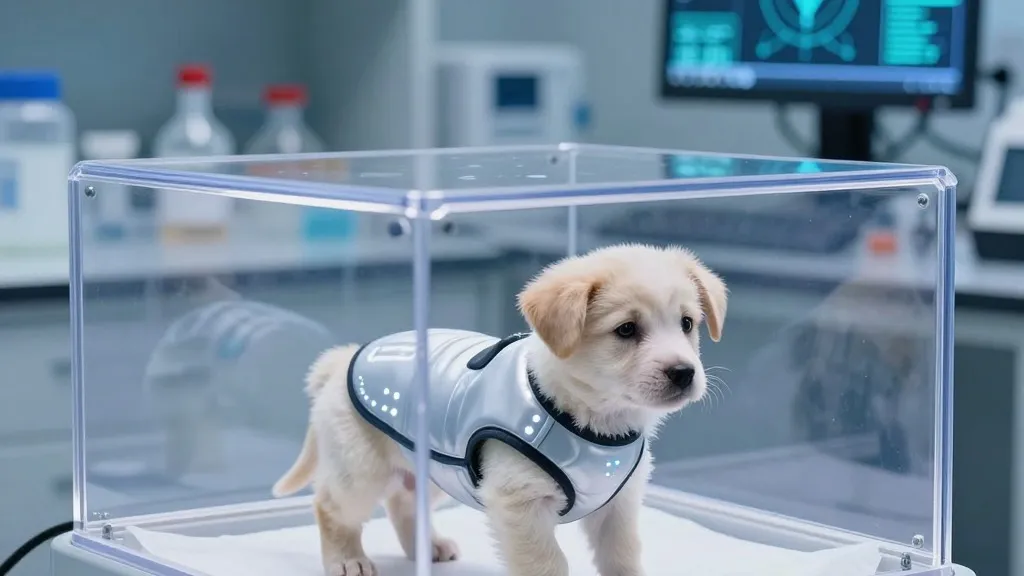
The dogs will not operate in isolation; Anduril will provide the technological overlay. This includes hardware such as protective vests and goggles, along with software for situational awareness. For instance, vests equipped with data sensors could transmit real-time information to handlers, improving coordination and safety. Lamm emphasized that these enhancements are designed to be added "on top of the dog, not in the dog," ensuring the animals are safer and healthier beyond their genetic modifications. This approach is intended to better protect both the canine units and their human handlers in the field.
The timeline for deployment is ambitious. The first batch of dogs is scheduled to be cloned and incubated soon, with births expected in early 2027. Viagen, another company under the Colossal umbrella, will handle the cloning process, a technology it already uses for endangered species conservation. The company hopes to have these dogs in active service within two years. While pricing has not yet been determined, Warhound expects to sell to the Department of Defense, police forces, and other first responders. The team has already briefed various government groups on the initiative.
To ensure ethical standards are met, Warhound is working under the guidance of the American Humane Society to certify its training program. This partnership aims to ensure the animals are treated humanely throughout their service lives. Furthermore, the company hopes that retired Warhound dogs will be integrated into the Society’s Military Working Dog Reunification Program, which provides homes for retired military canines. The American Humane Society welcomed the collaboration, stating it looks forward to working with the team to ensure the animals in their care are treated with the scientific and ethical rigor the organization is known for.
Source: TechCrunch