Amazon Scraps Four Data Centers in Northern Virginia, Pivots to Housing and Community Use
Facing intense local resistance, the tech giant is converting a 122-acre site in Loudoun County into residential areas and a public arts center instead of building new AI facilities.
By Neha Iyer ·
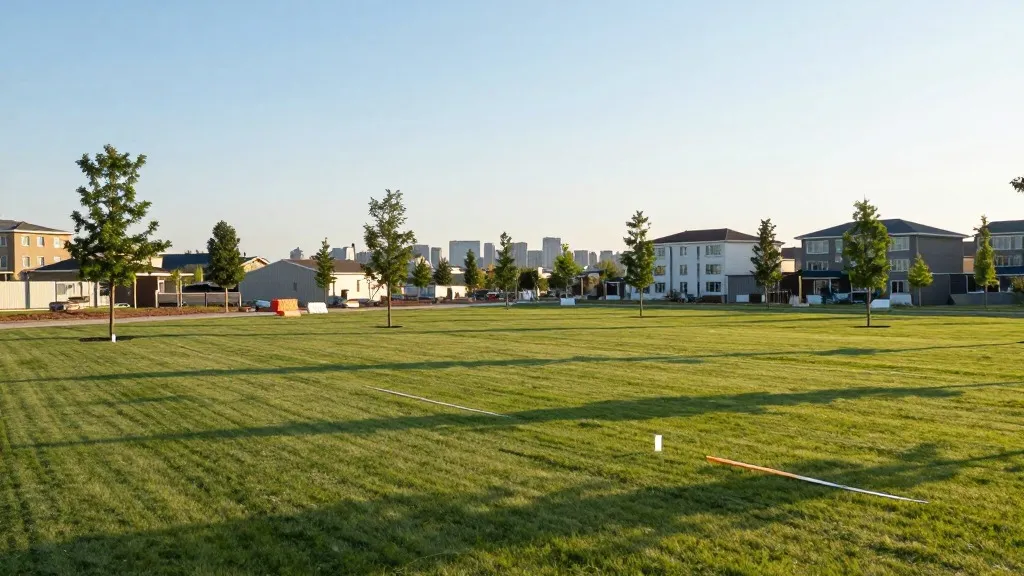
Northern Virginia has long been known as a hotspot for massive computing infrastructure, but that reputation may be shifting as local communities push back. Today, Amazon announced it will no longer build four new data centers on the former George Washington University campus in Loudoun County. The company has decided to repurpose the majority of the 122-acre property for mixed-use and residential development.
This decision marks a significant change in strategy for the tech giant in the region. Instead of filling the site with servers, Amazon will donate 25 acres of the land to Loudoun County. This portion is designated for the construction of a community arts center and a new recreational facility. Additionally, the company will contribute $5 million to the county’s housing fund to help support local affordable housing initiatives.
The area is often referred to as Data Center Alley because it holds the largest concentration of data centers on the planet. Residents have grown increasingly concerned about the noise and the massive power requirements associated with these facilities. These worries have led to a changing approach by county officials regarding new buildouts in the area.
Amazon initially submitted its proposal for the new facilities in July. The situation evolved in September when the company met with Phyllis J. Randall, the Chair of the Loudoun County Board of Supervisors. During that meeting, county leaders suggested that an alternative use for the land might be more beneficial for the community.
Josh Weissman, Amazon’s vice president in charge of data center development, addressed the change in plans. He noted that the company moved quickly to purchase the former university campus when the opportunity arose. However, he acknowledged that Amazon considered the county’s “pointed concerns about data center development at this particular site.” Weissman stated that while the company viewed the legal development potential differently than the county, they concluded that “the best outcome for all is to come together on a shared vision for this campus rather than engage in costly litigation.”
The broader context of this decision reflects a growing tension between the need for AI infrastructure and local quality of life. The rapid expansion of cloud services and AI has driven demand for larger facilities. However, local opposition has intensified over issues such as electricity price spikes, water shortages, and environmental impacts. Officials are now taking steps to streamline the construction process, and President Donald Trump recently called for data center builders to pay dividends to local communities. He also suggested that these facilities should generate their own power and sell excess energy back to the grid.
Local officials are highlighting the benefits of reaching an agreement through dialogue. Randall released a statement praising the outcome. She said, “By choosing dialogue over reflexive disagreement, Loudoun County and Amazon created an opportunity for the County.” Randall added that the agreement provides new spaces for residents to gather and play, and that it will provide more attainable homes for working families.
This move resolves a potential conflict without the need for formal legal battles. The land will now host residential units and public amenities rather than industrial computing equipment. The shift underscores a broader trend in the region where community input is having a measurable impact on major corporate real estate decisions.
The next steps involve the county and Amazon working together to finalize the plans for the mixed-use development. The donated acres will be prepared for the arts center and recreational facility. The $5 million contribution will be allocated to the housing fund as part of the agreement. This development signals that the era of unchecked data center expansion in Northern Virginia may be giving way to a more balanced approach that prioritizes residential needs and community resources.
Source: Tom's Hardware