Autonomous Arrival: Tesla Sets End-of-Year Target for Cybercab Customer Deliveries
Tesla executives confirmed that the two-seater robotaxi will begin reaching private customers before the end of 2026, though most units will remain part of the company's internal fleet.
By Marcus Johnson ·
The era of waiting for Tesla’s most radical vehicle has officially ended with a concrete timeline. During a corporate earnings briefing on October 21, 2026, leadership provided a definitive answer to when the Cybercab would transition from a production line curiosity to a purchasable asset for the general public.
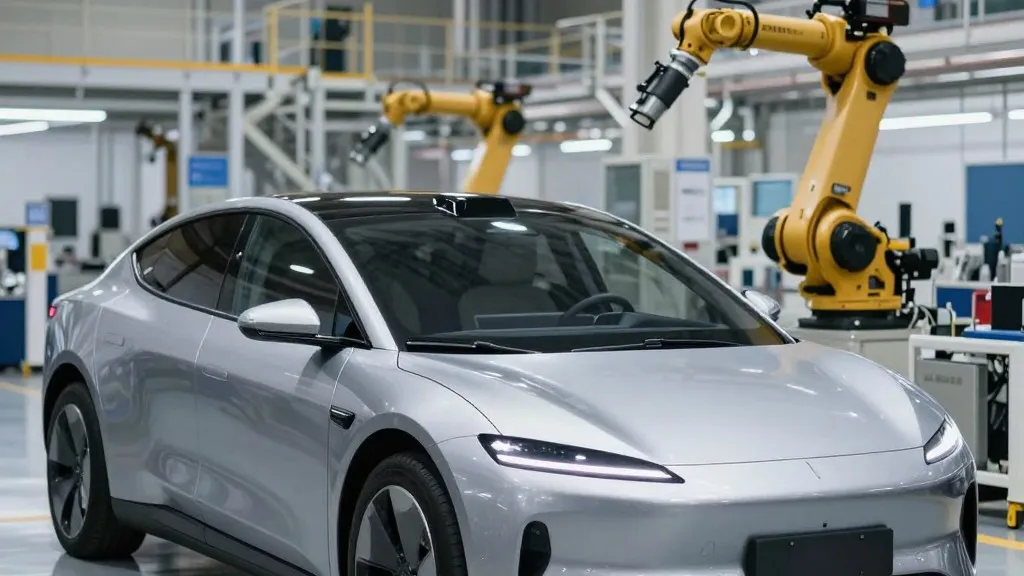
Vice President of Engineering Lars Moravy stated that the company is targeting the delivery of these autonomous units to customers by the close of this year. While production is currently active on the assembly line at Gigafactory Texas, Moravy clarified that the initial output is being funneled entirely into Tesla’s own internal Robotaxi fleet rather than to individual buyers.
The primary focus for the near term is expanding the company’s ride-hailing network. Moravy explained that as operations scale, the strategy will shift toward delivering fully designed autonomous vehicles directly to customers, with the Cybercab serving as the first model in this category. This approach allows the company to refine its logistics, ownership models, and fleet management systems before broadening access to the public.
CEO Elon Musk reinforced the notion that private ownership will be a secondary benefit for most units. He described the vehicle primarily as a "transport-as-a-service" offering, distinct from traditional personal vehicles like the Model 3, Model Y, or the upcoming Roadster. According to Musk, the vast majority of Cybercab units will remain Tesla-owned and operated, ensuring the company retains control over the core autonomous experience.
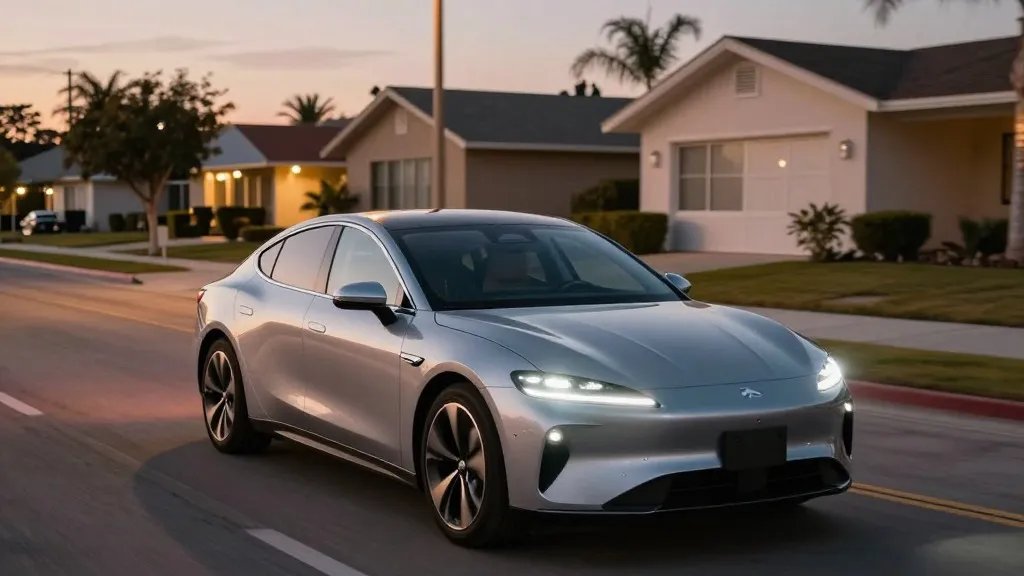
The vehicle itself is a two-seater design that omits traditional controls such as a steering wheel or pedals, relying entirely on Tesla’s Full Self-Driving technology. Production of the car began in February of this year, and early units have been integrated into the public-facing Robotaxi service since early September. Tesla has previously indicated an approximate price point of $30,000 for these units when they become available for sale.
Looking ahead, the broader rollout of autonomous features is also taking shape. Ashok Elluswamy, Tesla’s Head of AI, indicated during the same call that unsupervised Full Self-Driving capabilities are expected to ship to consumer cars during the second quarter of 2027. This suggests a phased approach where the dedicated robotaxi fleet matures before the technology is widely distributed to standard passenger vehicles.
Despite the optimistic timeline, several hurdles remain before widespread customer deliveries. Early buyers or fleet operators may find that the autonomous operation of their vehicles is geographically restricted. These limitations are largely due to regulatory agencies that may lag behind the rapid pace of the technology’s deployment. As such, the initial phase of customer deliveries is expected to start on a small scale while the company navigates these operational and regulatory complexities.
Source: Teslarati