Apple ramps up production of new foldable phone to meet massive demand
Supply chain sources indicate a significant increase in manufacturing targets as pre-order backlogs persist for the latest Apple device.
By Anna Nowak ·
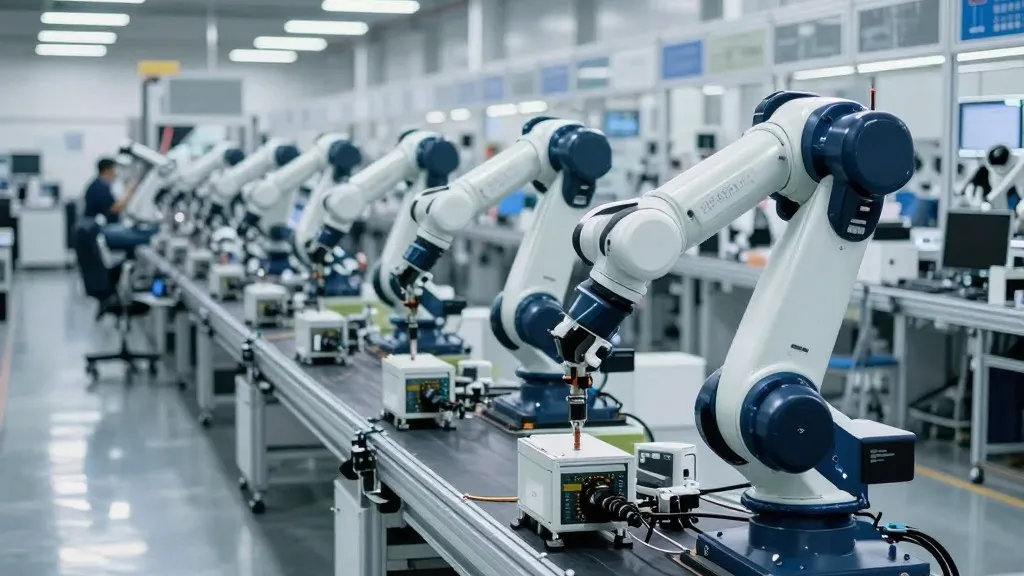
Apple has reportedly raised its production targets for the iPhone Duo by more than forty percent. Supply chain reports indicate that the company has boosted shipment goals from 9.7 million to 14 million units for the first twelve months. This major adjustment appears to be a direct response to intense consumer interest. The tech giant has characterized the initial response as extraordinary, a description that aligns with the visible surge in orders since the device launched.
The path to this production shift began last Friday when pre-orders officially opened. Almost immediately, delivery windows began to slip. Many customers noticed their estimated arrival dates moving into late January within minutes of placing their orders. While it was initially unclear whether these delays were caused by a shortage of inventory or a surge in popularity, the latest data points strongly toward high demand. Apple also implemented a limit of two units per customer to help manage the influx and reduce scalping.
As the pre-order period progressed, some early buyers started to see their shipping dates move earlier. This correction in the timeline coincides with reports that Apple is ramping up manufacturing. The company expects this strong demand to persist through the year. By increasing the output goal to fourteen million units, Apple aims to clear the backlog and ensure enough stock is available to meet ongoing interest in its first folding smartphone.
Users of the new device are currently dealing with some software adjustments. Many third-party applications have not yet been fully optimized for the iPhone Duo. Apple states that the situation is improving quickly as developers update their tools. Early reviews from people who have used the phone for a week reflect this reality, noting that app support is a primary area of focus. Reviewers consistently mention this aspect when evaluating the initial user experience.
Hardware features are also evolving based on user feedback. The current model uses Touch ID, which some observers noted as a step back from previous face recognition systems. However, reports suggest that Apple is already testing prototypes for a second version of the phone. These early designs reportedly feature Face ID. This indicates that the company is actively working on refining the biometric security options for the next iteration of the foldable line.
Looking ahead, the focus shifts to how quickly the supply chain can keep pace with the revised targets. The jump to fourteen million units is a significant logistical undertaking. As developers continue to optimize their software, the pressure on Apple will likely center on hardware availability. The company must now prove that it can sustain the production levels needed to satisfy the customers who have already committed to the new design.
Source: 9to5Mac