Microducks surge after Nvidia demo
Cute robot ducks became a holiday sensation after a viral keynote moment led to over twenty thousand preorders.
By Mei Ling ·
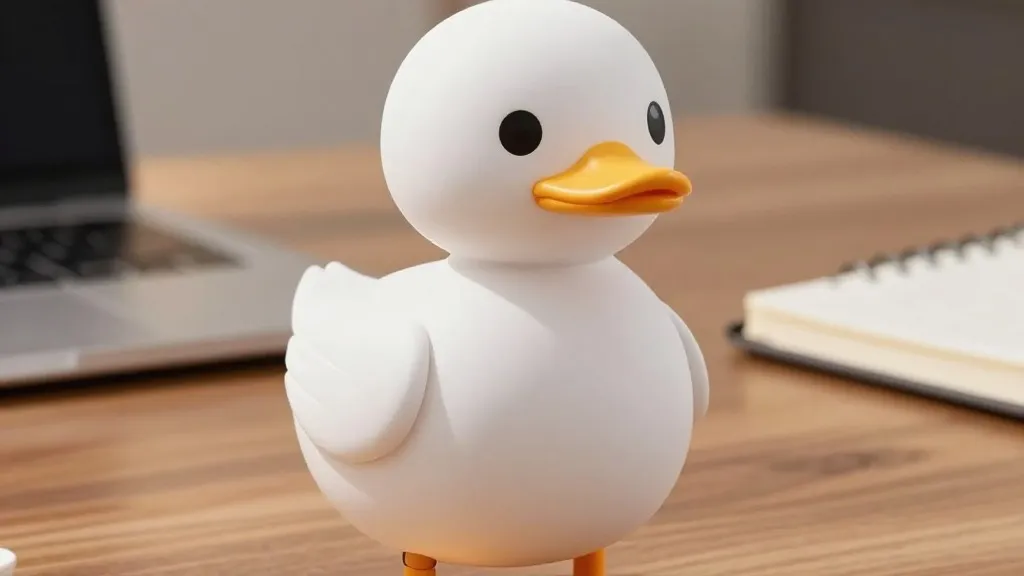
A moment of pure digital cuteness provided a stark contrast to the recent anxiety gripping the artificial intelligence sector. During the GTC Berlin conference earlier this week, Nvidia CEO Jensen Huang took the stage with a group of small, waddling robots known as Microducks. The footage of the devices performing various antics quickly spread across social media, capturing the attention of tech enthusiasts and general audiences alike. This viral success has positioned the Microducks as a potential top seller for the upcoming holiday season, offering a lighthearted counterpoint to the serious cybersecurity concerns dominating the news cycle.
The primary tension in the AI market has been dominated by fears regarding the rapid deployment of large language models and the associated risks of automated cyberattacks. Against this backdrop of technical complexity and potential threat, the Microducks presented a simple, charming alternative. The robots were shown stomping their feet, emitting small sounds reminiscent of the droid R2-D2 from the Star Wars franchise, and responding to voice commands. Viewers watched as the units sat down, faked death for a brief nap, and performed somersaults on cue. The appeal was immediate and widespread, transcending the usual boundaries of gadget reviews and entering the realm of viral entertainment.
The commercial impact of the demonstration was swift. By the day following the keynote, preorders for the Microducks had exceeded 20,000 units. Clem Delangue, the head of Hugging Face, confirmed these figures in a public post. This rapid uptake suggests that the toy has tapped into a significant consumer desire for interactive and endearing technology. The momentum indicates that the device is likely to be one of the most sought after gifts during the Christmas season, challenging established toys and electronics for top billing in shopping carts.
Delangue expressed the view that the Microducks could become the best selling robot of the year. Interestingly, he noted that the appeal is not limited to children. Promotional materials feature adults engaging with the devices, suggesting a broader demographic interest. The target audience appears to be anyone drawn to open source technology and playful robotics. This broad appeal distinguishes the Microducks from many other high tech gadgets that often target a narrower, more specialized user base.
The technology behind these robots is the product of a recent corporate shift. The Microducks are open source devices originally created by Pollen Robotics. That company was acquired by Hugging Face in 2025. Subsequently, Nvidia purchased Hugging Face in September, making the Microducks part of the GPU giant's portfolio. This is the second robot developed by the Hugging Face team, following the similarly popular Reachy Mini. The corporate lineage highlights how the AI ecosystem is consolidating around key hardware and software players.
The development process for the Microducks relied heavily on Nvidia's own technology stack. The robots were trained in simulated environments where they learned basic movements such as walking, sitting, and standing. These foundational tricks are included in the standard shipping package. However, the open source nature of the device allows for significant customization. Owners are expected to train their specific units with new behaviors and then share these custom routines with the wider community. This collaborative approach encourages innovation and extends the lifespan of the product beyond its initial capabilities.
The timing of this release is particularly notable. The AI industry has faced scrutiny this week as multiple cyberattacks were attributed to AI involvement. This has led to discussions about the potential for serious damage to global infrastructure. In the midst of these concerns, the Microducks serve as a reminder that the technology can also be designed for joy and interaction. The viral video offers a palate cleanser for consumers who may be fatigued by complex technical debates and security warnings.
With delivery expected before Christmas, the Microducks are well positioned to capitalize on the holiday shopping rush. The combination of celebrity endorsement from the Nvidia CEO, viral social media presence, and a strong community of developers creates a robust foundation for sales. The device represents a unique intersection of cutting edge AI and accessible consumer fun. As the holiday season approaches, the little robots may prove that in a world of complex algorithms, simple charm still holds significant power.
The story of the Microducks illustrates a broader trend in consumer tech. While much of the focus remains on the power and efficiency of AI models, there is a growing appetite for tangible, interactive experiences. The rapid preorder numbers suggest that consumers are eager to engage with AI in ways that feel personal and playful. The success of the Microducks could influence future product development, encouraging more companies to explore the potential of cute and interactive robotics. For now, the waddling ducks have captured the imagination of the tech world and beyond.
Source: TechCrunch