NASA shifts lunar landing strategy to ease path for 2028 mission
The agency has revised its moon return architecture to simplify docking procedures for SpaceX and Blue Origin, aiming to keep the 2028 surface landing on schedule.
By Khalid Rahman ·

For those following the long and winding road back to the Moon, the rules of the game have just changed. NASA held a detailed briefing on Friday to outline exactly how it intends to get astronauts to the lunar surface by 2028. The agency confirmed that it is proceeding with its current timeline, but the methods for getting there have been significantly altered. These changes are designed to remove technical hurdles that previously complicated the plans for both commercial partners involved in the Artemis program.
The most significant shift involves the docking procedures for the spacecraft. Under the new architecture, NASA will no longer require the Orion spacecraft to dock with the lunar landers in a complex orbit around the Moon. Instead, the Orion capsule will now dock with SpaceX’s Starship lander while still in high-Earth orbit. This happens before the combined vehicle travels to the Moon. This change simplifies the trajectory and reduces the energy required for the maneuver, addressing a major concern raised by SpaceX engineers earlier this year.
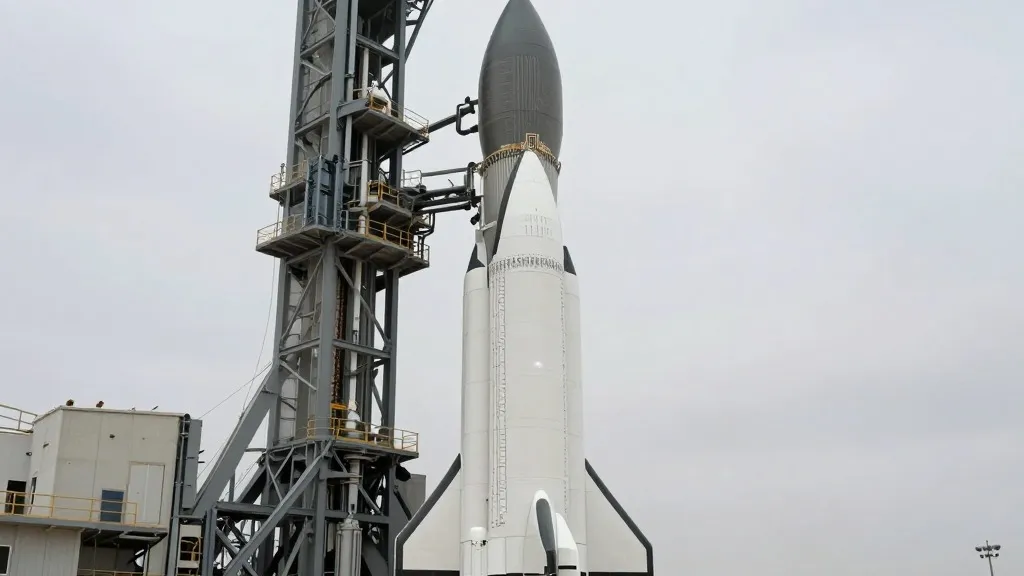
The plan for Blue Origin has also been adjusted to streamline its approach. The agency’s revised architecture for Blue Origin involves four launches of the New Glenn rocket. Notably, this configuration does not include any spacecraft-to-spacecraft refueling in space. The plan allows for the Blue Moon lander to rendezvous with Orion in low-Lunar orbit. By eliminating the need for in-space propellant transfers, the agency is aiming to reduce the complexity and risk associated with the mission.
These architectural updates were revealed during a lengthy news conference where NASA officials laid out the specifics of the Artemis program. While much of this information had been reported by various outlets prior to the announcement, this marked the first time NASA formally presented the details and acknowledged the substantial changes to its original design. The agency is treating these revisions as essential steps to ensure the commercial partners can execute their missions efficiently and on time.
NASA Administrator Jared Isaacman spoke directly to the confidence of the current timeline. He stated that the agency is on an achievable path right now. Isaacman emphasized that they have the mandate, the resources, and the support from stakeholders necessary to execute the plan. He expressed a clear intention to move forward with these goals without delay, signaling a firm commitment to the dates set for the upcoming missions.
The immediate next step is the Artemis III mission, which is scheduled for a launch in the summer of 2027. This mission will serve as a critical demonstration. It will involve docking with both the Blue Moon lander and the Starship vehicle near Earth. This test is crucial for validating the new docking procedures and ensuring that the systems work together as planned before the final push to the Moon.
Following the demonstration, the agency is tracking toward a 2028 launch for Artemis IV. This mission is the one that will actually land astronauts on the lunar surface. The success of the 2027 demonstration is a prerequisite for this final step. If the dockings go according to plan, the path to the 2028 landing remains open and viable.
The decision to change the docking location for SpaceX was driven by specific technical feedback. SpaceX engineers had requested the removal of the requirement to dock in a near-rectilinear halo orbit around the Moon during meetings with NASA in early 2026. They cited that this specific orbit required more energy and presented other difficulties. When NASA canceled the Lunar Gateway project earlier this year, it effectively solved this problem for SpaceX by making that specific orbital maneuver unnecessary.
Leadership within NASA has taken a hard look at every element of the Artemis program. They sought to make changes wherever possible to help the lunar lander companies accelerate their plans. By aligning the agency’s requirements with the capabilities and constraints of its commercial partners, NASA aims to remove bottlenecks. The goal is to ensure that the 2028 landing is not just a theoretical possibility, but a concrete reality that can be executed with the current resources and technology.
The stakes for this revised plan are high. The success of the 2027 and 2028 missions depends on the reliability of these new docking procedures. By simplifying the architecture, NASA is betting on a more straightforward approach to returning humans to another world. The next few years will determine if these strategic adjustments lead to a successful return to the Moon or if further changes are needed.
Source: Ars Technica