NASA Reveals 22 Starship Launches Needed for Lunar Mission
New internal estimates indicate that supporting the Artemis lunar lander requires more refueling flights than previously projected.
By Eduardo Salazar ·
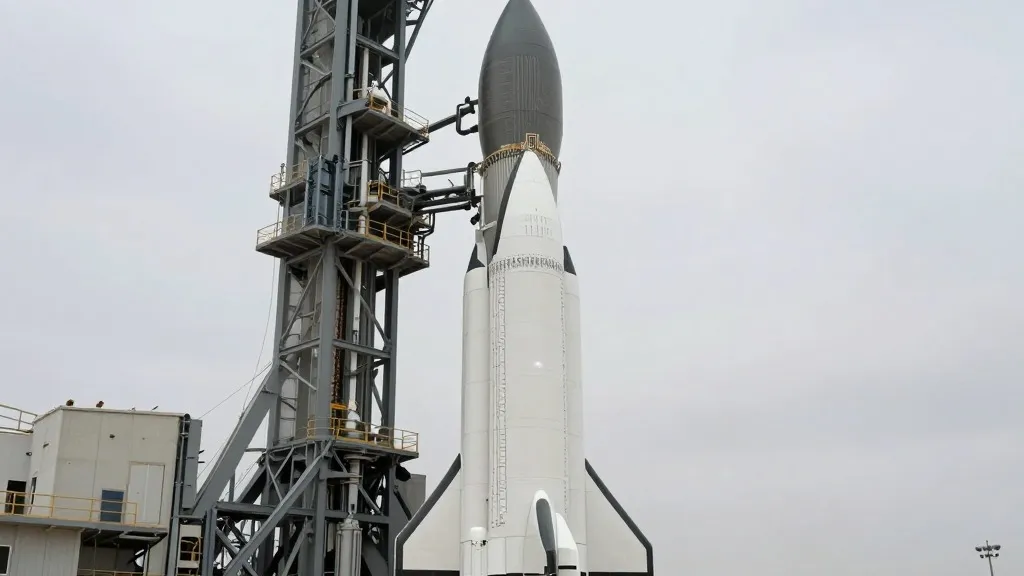
NASA has confirmed that twenty-two Starship launches are required to support a crewed lunar landing under the Artemis Program. This figure represents the total number of flights necessary to deliver sufficient propellant to a depot in low-Earth orbit, enabling the lunar lander to travel to the Moon, land, and return to orbit. The revelation marks a significant shift from the agency's previous reluctance to disclose specific logistical requirements.
The number of required launches has been a variable and sensitive metric for years. Historically, NASA officials have treated this data with a level of secrecy comparable to classified nuclear codes. In 2023, Lisa Watson-Morgan, then-director of the Human Landing System, expressed hesitation in providing an exact count. She stated, “We have a general idea, but I’m reluctant to say exactly what that is.” Later assessments from her placed the requirement in the “high single digits to the low double digits,” suggesting approximately a dozen flights. Other officials had previously cited figures in the “high teens.”
The logistics behind this number are complex. The plan involves launching a dedicated “depot” Starship to orbit, followed by multiple “tanker” Starships carrying liquid oxygen and methane. These tankers are required to fully load the depot for the lunar voyage. While earlier estimates of a dozen or fewer launches were based on the hope that SpaceX would dramatically increase the lift capacity of the Starship vehicle, recent internal concerns suggest this improvement may not arrive in time to impact the current decade's schedule.
The new estimate was presented during a quarterly meeting of the NASA Aerospace Safety Advisory Panel held on Thursday. Panel member Charlie Precourt, a former NASA astronaut, discussed the risks associated with the Artemis Program and the specific challenges of landing humans on the Moon. His presentation highlighted the operational hurdles that continue to shape the agency's strategic planning.
For readers in the South Central United States and Texas, the implications of these launch numbers are substantial. As the primary launch site for Starship operations, the region is central to this logistical chain. The requirement for twenty-two flights underscores the scale of the infrastructure and frequency needed to make the lunar return a reality.
The shift from a lower estimated count to twenty-two indicates a more conservative approach to mission planning. It reflects a recognition that relying on near-term, significant increases in vehicle lift capacity is risky. Consequently, the agency is planning for a higher volume of tanker flights to ensure the lander is adequately fueled.
This update provides clarity on a previously opaque aspect of the program. By specifying the number, NASA allows for more precise tracking of progress and resource allocation. The focus remains on ensuring that the Starship-based lunar lander can complete its round trip to the Moon and back to lunar orbit safely.
As the Artemis Program moves forward, the number of Starship launches will remain a critical metric. The agency’s goal is to return humans to the lunar surface, and the logistics of fueling the vehicle in orbit are fundamental to achieving that objective. The recent disclosure signals a move toward transparency in a program that has long kept its most vital numbers under wraps.
Source: Ars Technica